
THEATRE & COMMUNITY
When Atlanta Theatres Work Together
From Fences to Fiddler on the Roof, theatre partnerships are creating new opportunities for artists and audiences.
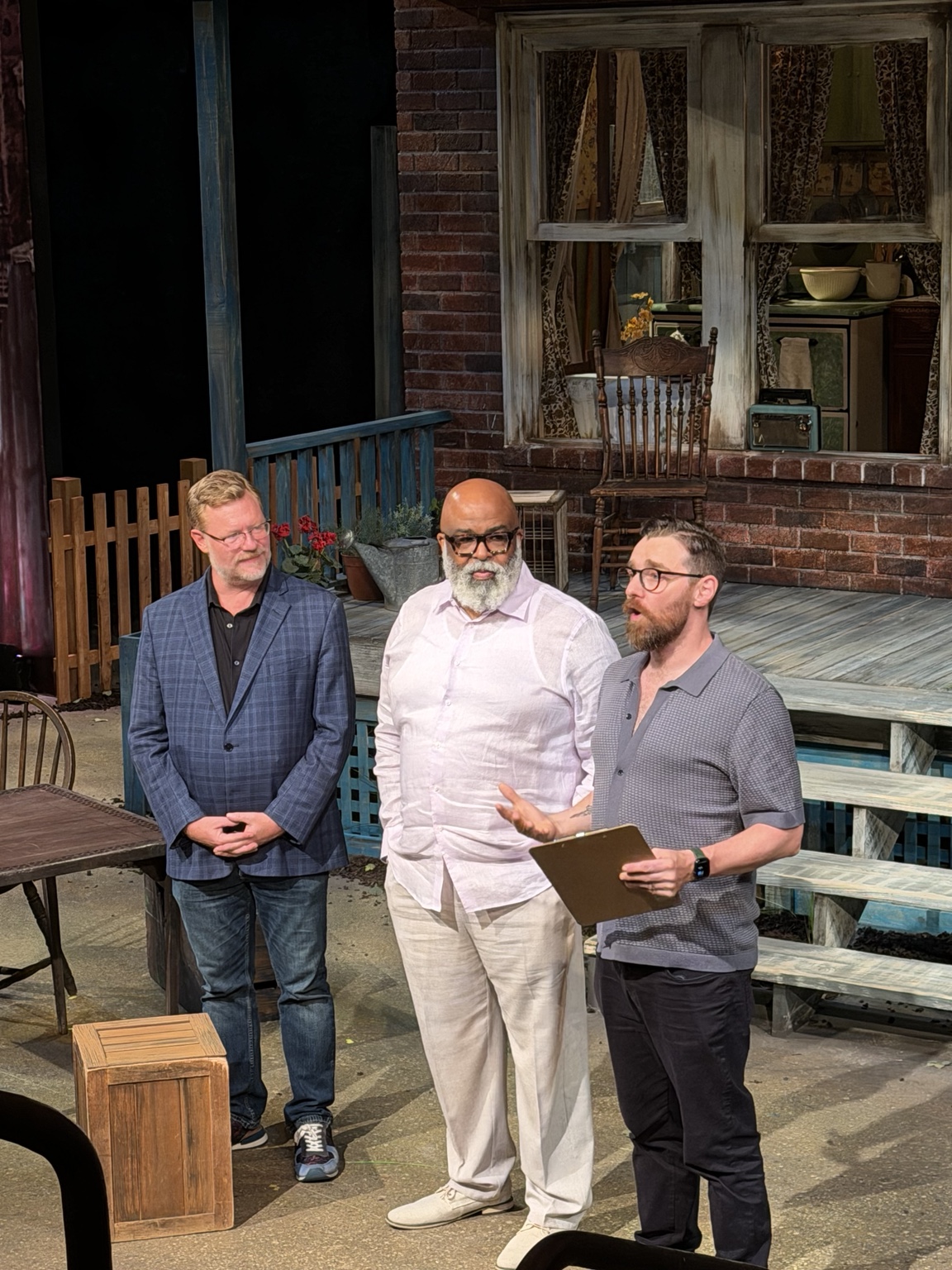
Atlanta theatre companies are used to competing. They compete for audiences, donors, artists, rehearsal space and attention. But some of the city’s most ambitious recent projects show what can happen when those same companies choose to work together.
The latest example is Fences, August Wilson’s Pulitzer Prize-winning drama now onstage at Theatrical Outfit. Three organizations have joined forces on the production: Theatrical Outfit, Dominion Entertainment Group and Alabama Shakespeare Festival. After its Atlanta run, the production moves to Montgomery, giving the work a longer life and another audience.
The partnership brings together companies with different resources, relationships and experiences. For Robert John Connor of Dominion and Quin Gresham, artistic director of Alabama Shakespeare Festival, those differences are part of what makes the collaboration worthwhile.
“When Theatrical Outfit and I began talking about partnership, it was paramount that we have an open conversation about what it should look like,” Connor said. “Not something merely representational, but a real process of clearing out the mud and building something rooted in trust and collaboration.”
Connor said the partnership also creates something practical for Atlanta artists.
“It provides the platform that Dominion has always wanted to provide: giving actors an opportunity to do the work and tell the stories.”
For Gresham, the collaboration is also part of a broader regional goal. By moving productions and artists between Atlanta and Montgomery, theatres can offer performers and creative teams more sustained employment while introducing audiences to work developed outside their own cities.
Matt Torney, artistic director of Theatrical Outfit, points to the company’s collaborations with The Breman on Remember This and The Lehman Trilogy as other examples. He says those partnerships brought “a deeper cultural understanding to the rehearsal room” while helping both organizations reach broader audiences.
“For me, it’s all about increasing the reach and impact of the work,” Torney said. “Whether partnering with other theaters or not-for-profits, every collaboration is an opportunity to think differently, to learn, to grow, and to make theater in new ways.”

That kind of cooperation is not entirely new in Atlanta. The Alliance Theatre and The Atlanta Opera joined forces last season on Fiddler on the Roof, combining the scale and musical resources of an opera company with the Alliance’s theatrical experience. The production went on to receive numerous Suzi Bass Award nominations across performance, design and production categories.
As Tinashe Kajese-Bolden, artistic director of the Alliance Theatre, told ArtsATL after the Suzi nominations were announced:
“The Alliance and The Atlanta Opera each brought our own muscles, traditions and ways of telling stories, and, instead of meeting in the middle, we expanded the canvas. To see both productions recognized across so many disciplines feels especially meaningful because these nominations illuminate the whole village behind the work.”
“Instead of meeting in the middle, we expanded the canvas.”
Tinashe Kajese-Bolden, speaking to ArtsATL
The phrase “expanded the canvas” captures much of what these collaborations can accomplish. A partnership can give a production a larger stage, a longer run or access to artists and audiences one company might not reach alone. It can also spread the financial and organizational demands of producing ambitious work.
Collaboration is not simple. Each company arrives with its own mission, culture, budget and way of working. Decisions about leadership, credit, money and artistic responsibility must be made clearly. Connor’s emphasis on trust matters because a partnership that exists mainly for appearances is unlikely to create lasting value.
But when the relationship is genuine, the benefits can extend beyond a single production. Artists gain more opportunities. Audiences encounter work from outside their usual circles. Institutions learn from one another. Productions that might otherwise disappear after a few weeks can continue in another theatre and another city.
Fences is the current example, but the larger story is about Atlanta theatre becoming more connected. In a field where resources are limited and producing work is increasingly expensive, collaboration offers companies another way to think about what is possible.
The most successful partnerships do more than divide the workload. They allow each organization to bring something distinct to the table and create work none of them would have made in quite the same way alone.