
THE SUZI SCENE · FEATURE
Seventy Years Later, What Does It Mean to Break Barriers?
As Academy Theatre celebrates its 70th anniversary, its history reveals how Atlanta’s theatres preserve their ideals while adapting to a changing world.
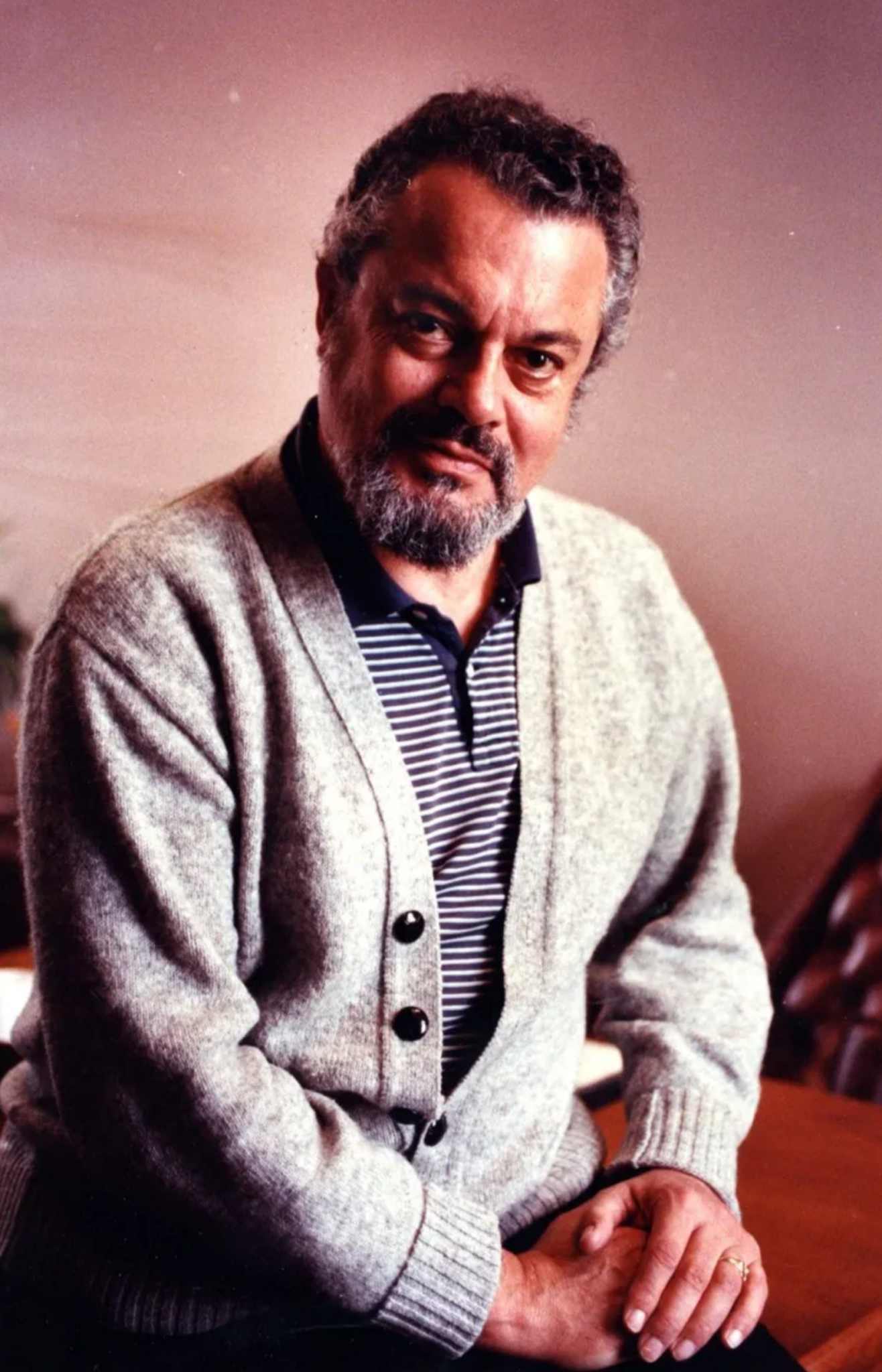
Lorenne Fey had been working at Atlanta’s Academy Theatre for just two weeks when founder Frank Wittow gathered the staff to watch a new play. He wanted everyone’s notes.
Fey, who came from the world of ballet, was astonished that he wanted hers. She wrote a full page of observations and handed them to him.
The next time she saw the production, Wittow had incorporated every suggestion.
“Never in my life had I felt that seen before,” she recalls.
That experience began a 20-year artistic partnership. It also captured something fundamental about the theatre Wittow founded in 1956: the belief that art becomes more meaningful when everyone has a voice.
Seventy years later, Academy’s history raises a question that extends beyond one institution: How does a theatre remain faithful to its ideals when the world around it changes?
A Theatre Built on a Different Idea
When Wittow established Academy, professional theatre was still developing in Atlanta, and segregation shaped much of Southern society.
He believed theatre could bring people together across racial and social boundaries, challenge prejudices, and encourage empathy. Academy became a pioneer of integrated professional theatre in the South.
In a 1986 interview with playwright Rebecca Ranson for Southern Exposure, Wittow traced his interest in theatre to his studies in psychology. He believed that artists working together over time could transform themselves and their audiences.
Writing in ArtsATL in 2013, playwright Phillip DePoy recalled Academy’s former home in a deteriorating Peachtree Street movie theatre. The physical conditions were difficult, but the creative atmosphere encouraged experimentation and helped develop artists who would shape Atlanta theatre for decades.
Among those associated with Academy were Samuel L. Jackson, Kenny Leon, Rosemary Newcott, Barbara Lebow, and Lisa and Jeff Adler.
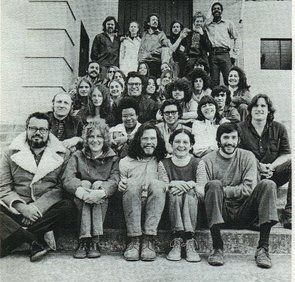
For director Brenda Porter, Academy was where she discovered what a professional life in theatre could mean.
As a newly graduated actress, she joined its touring company.
“I was overjoyed because I had a job ACTING and got paid every week as a company member,” she remembers.
More importantly, she discovered theatre’s power to change audiences as well as performers.
“It was at the Academy that I learned the true power of Theatre,” Porter says.
Whose Voice Gets Heard?
Academy’s commitment to integration was more than a philosophical statement.
In a 2015 essay, Atlanta writer Leslye Joy Allen recalled Wittow casting Black actress Georgia Allen in a role that challenged the limited opportunities available to Black performers in the early 1960s.
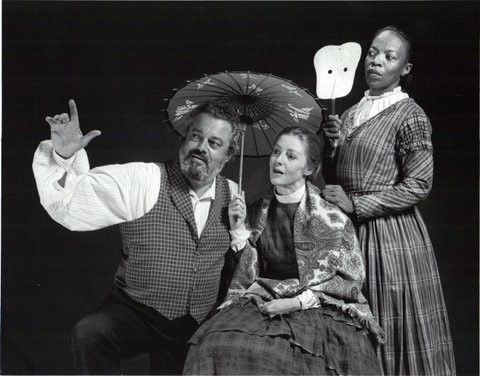
That history connects with a contemporary production at Academy.
Porter, now artistic leader of Impact Theatre Atlanta, has returned to direct N, a play by Adrienne Earle Pender exploring the relationship between Eugene O’Neill and Charles Gilpin, the pioneering Black actor who originated the title role in O’Neill’s The Emperor Jones in 1920.

When Porter read the script, she discovered something surprising. Despite decades in theatre, she hadn’t known Gilpin played the role before Paul Robeson became associated with it.
“Where had I been?” she wondered.
Gilpin’s groundbreaking performance helped establish O’Neill as a major playwright. But their collaboration deteriorated over Gilpin’s objections to racist language in the script.
The conflict raises a question that remains relevant today: How should a playwright’s artistic intentions be balanced against the concerns of the performer asked to embody them?
Porter sees merit in both perspectives. A playwright’s words deserve respect, she believes, but when someone identifies language or behavior as offensive, others have a responsibility to listen.
She sees parallels in the choices Black performers sometimes face when offered stereotypical roles.
“Many actors feel in order to get the opportunity to work and get experience, they must compromise,” she observes.
Gilpin’s experience and Fey’s encounter with Wittow are very different stories. Yet both raise a fundamental question: What happens when an artist’s voice is heard—or ignored?
When Ideals Meet Economic Reality
Academy once maintained a salaried ensemble of actors and designers who worked together throughout the year.
That model is no longer financially possible.
“Sadly, we can no longer afford to pay full-time annual salaries to a company of actors and designers,” says artistic director Robert Drake.
The financial struggle is hardly new. In his 1986 interview, Wittow described a company that sometimes fell behind in paying its artists. Even after three decades, keeping the theatre operating remained a constant challenge.
Today, Drake says Academy must balance challenging productions with lighter, more popular work to attract audiences. Educational outreach has become more difficult as schools and community organizations have fewer resources, while competition for grants has intensified.
These pressures are familiar across Atlanta’s smaller professional theatres. Producing ambitious work requires skilled artists and financial resources, yet the audiences and funding needed to sustain it are never guaranteed.
For a theatre founded on sustained artistic collaboration, losing the permanent ensemble represents more than a staffing change. It alters how the original mission can be carried out.
“It is difficult to take artistic risks when an organization is constantly concerned about its financial survival,” Fey acknowledges.
But she makes an important distinction:
“The Academy has survived because it has been willing to adapt its methods without abandoning its purpose.”
A New Kind of Ensemble
One significant adaptation came in 2013, when Academy moved to Hapeville.
Through a partnership with the city, Academy helped establish a performing arts center serving not only its own productions but other theatre companies and community organizations.
Its role expanded from producing theatre to providing a home where other artists could develop their work.
“Our partnerships are essential to keeping us on mission,” Drake explains.
Those relationships support emerging companies, provide experience for interns and apprentices, and bring professional theatre to south metro Atlanta.
Impact Theatre Atlanta’s residency is one example.
Academy can no longer support the permanent ensemble Wittow envisioned, but it continues bringing artists together through partnerships and shared resources.
The structure has changed. The belief in collaboration remains.
The Barriers That Remain
For Porter, Charles Gilpin’s story is a reminder that artistic opportunity and artistic independence are not always the same thing.
She acknowledges that Atlanta theatre has made considerable progress in presenting diverse stories, but important barriers remain, including opportunities for artists working behind the scenes.
Academy’s history reflects both the possibilities and the unfinished nature of that work.
Its commitment to integration helped create opportunities for artists who shaped Atlanta’s theatre community. Its educational programs introduced generations of young people to live performance. Its partnerships continue to provide a home for emerging artists.
Yet the financial pressures that have reshaped Academy raise questions for theatres throughout the region.
How can theatres provide meaningful employment and training when they struggle to pay for productions? How can they reach new audiences? And how can they continue taking artistic risks when financial survival demands increasingly cautious decisions?
Academy’s 70-year history suggests that preserving a theatre’s mission doesn’t necessarily mean preserving its original methods.
As Fey reflects on the anniversary, she offers a thought that reaches beyond the institution itself:
“Breaking barriers is not something an organization accomplishes once and then puts in its history books. It is a commitment that must be renewed with every generation.”
— Lorenne Fey
Perhaps that is the most enduring measure of Wittow’s vision—not whether Academy looks the same as it did in 1956, but whether it continues to make room for artists and audiences to be heard.
Sources
- Rebecca Ranson, Coming of Age in Atlanta: An Interview with Frank Wittow, Southern Exposure, 1986.
- Phillip DePoy, ArtsATL essay on Academy Theatre’s influence, 2013.
- Leslye Joy Allen, Frank Wittow’s Legacy…Nevaina’s Dream, 2015.
- Academy Theatre — History.
- Interviews with Brenda Porter, Lorenne Fey, and Robert Drake, October 2026.